Cutting a large piece of metal is a common task in various industries, from construction to manufacturing. Among the many tools available, a metal cut off wheel stands out as a popular choice due to its efficiency and precision. As a supplier of high – quality metal cut off wheels, I’ve witnessed firsthand the impact of using the right cutting method. In this blog, I’ll share the best way to cut a large piece of metal with a metal cut off wheel. Metal Cut Off Wheel
Understanding the Metal Cut Off Wheel
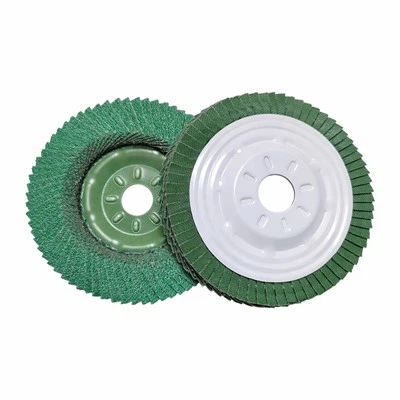
Before delving into the cutting process, it’s essential to understand what a metal cut off wheel is. A metal cut off wheel is a thin, circular abrasive disc designed to cut through various types of metal. It is typically made of abrasive grains bonded together with a resin. The abrasive grains can be aluminum oxide, silicon carbide, or other materials, depending on the type of metal to be cut and the desired cutting speed.
Safety First
Safety should be your top priority when working with a metal cut off wheel. Here are some safety measures to follow:
- Wear Protective Gear: Always wear safety goggles to protect your eyes from flying debris. A face shield can provide additional protection. Gloves should be worn to protect your hands from sharp edges and hot metal. A dust mask is also recommended to prevent inhalation of metal dust.
- Inspect the Wheel: Before using the cut off wheel, inspect it for any signs of damage, such as cracks or chips. A damaged wheel can break during operation, posing a serious safety hazard.
- Secure the Workpiece: Make sure the large piece of metal is firmly secured in a vise or other holding device. This prevents the metal from moving during cutting, which can lead to inaccurate cuts and potential accidents.
- Use a Suitable Cutting Machine: Choose a cutting machine that is compatible with the size and type of the cut off wheel. The machine should have a stable base and proper speed control.
Selecting the Right Cut Off Wheel
Selecting the appropriate cut off wheel is crucial for achieving the best results. Consider the following factors:
- Metal Type: Different metals require different types of cut off wheels. For example, aluminum oxide wheels are suitable for cutting ferrous metals like steel, while silicon carbide wheels are better for non – ferrous metals such as aluminum and brass.
- Wheel Diameter: The diameter of the cut off wheel should be appropriate for the size of the metal piece and the cutting machine. Larger wheels can cut through thicker metal but may require more power.
- Wheel Thickness: Thicker wheels are more durable and can handle heavy – duty cutting, while thinner wheels are better for precision cuts.
Preparing the Work Area
A well – prepared work area can make the cutting process more efficient and safe.
- Clean the Work Surface: Remove any debris, oil, or grease from the work surface. This ensures that the metal piece lies flat and stable during cutting.
- Mark the Cutting Line: Use a marker or scribe to mark the cutting line on the metal piece. This helps you make accurate cuts.
- Clear the Surroundings: Remove any flammable materials or obstacles from the work area. This reduces the risk of fire and allows you to move freely around the cutting machine.
The Cutting Process
Once you’ve taken all the necessary safety precautions, selected the right cut off wheel, and prepared the work area, it’s time to start cutting.
- Start the Cutting Machine: Turn on the cutting machine and allow the cut off wheel to reach its full speed. This ensures a smooth and efficient cut.
- Position the Wheel: Gently lower the cut off wheel onto the marked cutting line. Apply light pressure at first to start the cut.
- Maintain a Steady Pace: As you cut, maintain a steady pace and keep the cut off wheel perpendicular to the metal surface. Avoid applying too much pressure, as this can cause the wheel to overheat and wear out quickly.
- Cool the Wheel: Cutting metal generates a lot of heat, which can damage the cut off wheel. To prevent this, you can use a coolant or lubricant. Some cutting machines have a built – in coolant system, while others require you to apply the coolant manually.
- Complete the Cut: Continue cutting until you’ve reached the end of the marked line. Once the cut is complete, turn off the cutting machine and allow the wheel to come to a stop.
Troubleshooting
Even with the best preparation, you may encounter some problems during the cutting process. Here are some common issues and solutions:
- Wheel Wear: If the cut off wheel is wearing out too quickly, it may be due to incorrect wheel selection or excessive pressure. Try using a different type of wheel or reducing the pressure.
- Poor Cut Quality: A rough or uneven cut may be caused by a dull wheel, improper wheel alignment, or a moving workpiece. Replace the wheel if it’s dull, check the alignment, and make sure the workpiece is securely held.
- Overheating: If the cut off wheel overheats, it can lead to premature wear and even breakage. Reduce the cutting speed, apply a coolant, or use a wheel with a higher heat – resistance rating.
Benefits of Using Our Metal Cut Off Wheels
As a supplier of metal cut off wheels, I can attest to the quality and performance of our products. Our cut off wheels are made from high – grade abrasive materials, ensuring long – lasting durability and efficient cutting. They are available in a variety of sizes and types to meet the needs of different applications.
Our wheels are designed to provide a smooth and precise cut, reducing the need for additional finishing work. They also have excellent heat – resistance properties, which means they can withstand the high temperatures generated during cutting without losing their shape or performance.
Conclusion
Cutting a large piece of metal with a metal cut off wheel requires careful planning, the right tools, and strict adherence to safety procedures. By following the steps outlined in this blog, you can achieve accurate and efficient cuts.
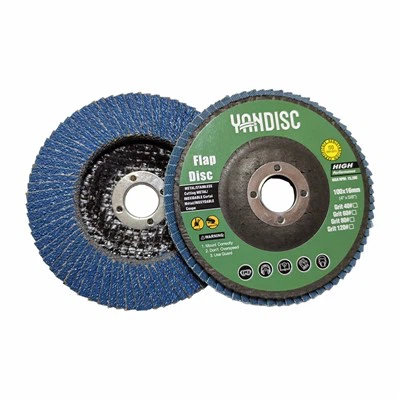
Aluminum Oxide Flap Disc If you’re in the market for high – quality metal cut off wheels, I encourage you to get in touch with us. Our team of experts can help you select the right wheel for your specific needs. Whether you’re a professional in the manufacturing industry or a DIY enthusiast, we have the products and knowledge to support your cutting projects. Contact us today to start a discussion about your metal cutting requirements.
References
- American Welding Society. (2023). Welding and Cutting Handbook.
- OSHA. (2023). Safety Guidelines for Abrasive Cutting Wheels.
- Industrial Metalworking Magazine. (2023). Best Practices for Metal Cutting.
Henan Yandisc Hardware Tools Co., Ltd.
Address: Zinan Road, High-tech Industrial Development Zone, Zhengzhou, Henan, China
E-mail: info@yandisc.com
WebSite: https://www.yandisc.com/
