If you’ve ever had one of those fancy soft-close drawers that’s supposed to glide shut gently, only to find it popping open on its own hours later, I feel you. As a soft close hinge supplier, I get way more of these questions than you’d think—emails, DMs, even random comments on our social media from people staring at their half-open junk drawers like they’ve got a tiny, unexplained drawer gremlin. It’s not magic, though. It’s almost always something fixable, and today I’m breaking down the real, science-backed reasons your soft close drawer is misbehaving, no spooky stuff required. Soft Close Hinge
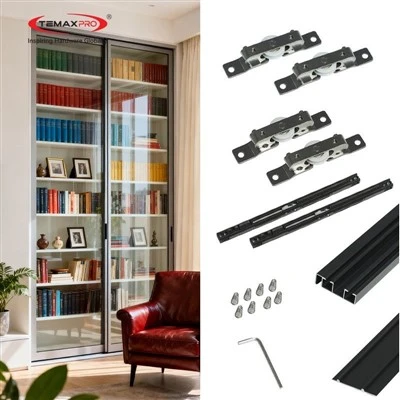
First, let’s remember how soft close systems actually work. Most standard soft close hinges (the ones that work on this mechanism) aren’t some unbreakable super gadget. They have a small hydraulic cylinder tucked into the hinge itself, or sometimes attached to the drawer sides. That cylinder holds a tiny amount of silicone oil—super thick, almost like molasses—so when you push the drawer shut, a piston inside the cylinder compresses that oil, creating resistance. That resistance slows the drawer down and makes it glide closed instead of slamming. The system’s whole job is to only engage when the drawer is within 1-2 inches of being fully shut, right? So if it’s popping open on its own, that means the resistance is off, or something’s throwing the whole balance out of whack.
Let’s start with the most common culprit: misaligned hinges. This is such a basic issue but so easy to miss. When you install a soft close hinge, it’s not just screwing it to the cabinet and the drawer front—you have to make sure it’s perfectly level and spaced. If one hinge is higher than the other, or the gap between the drawer side and the cabinet frame is uneven, the soft close cylinder doesn’t trigger right. I’ve seen this a hundred times: someone tightens the screws too much on one hinge, bends the hinge arm slightly, and suddenly the drawer’s not pulling closed all the way. Then, the next time you move a bit of air in the room—like opening a nearby door, or even just brushing against the counter—the tiny bit of tension in the misaligned hinge is enough to push the drawer open. I’d bet 7 out of 10 self-opening drawers we get questions about are just misaligned hinges. It’s fixable in two minutes with a screwdriver: just loosen the screws, adjust the drawer so it’s sitting straight, and tighten them back up. Easy peasy.
Next up, worn out hydraulic fluid. The silicone oil in soft close cylinders doesn’t last forever. It breaks down over time from temperature changes, humidity, and just regular wear and tear. If your kitchen is near a stove or a dryer, the heat and moisture can make that oil thin out way faster than normal. When the oil gets too runny, the soft close resistance is gone. Instead of gently pulling the drawer shut, the system doesn’t work at all. So what happens? If the drawer isn’t latched completely shut (again, misalignment might play a part here), any small force—like a draft from a window, or even the vibration from your fridge kicking on—can nudge it open. Think of it like a bike chain: if it’s old and rusted, it doesn’t work as well, and little things make it slip. That’s the same idea here. A lot of people don’t realize that soft close hinges are designed to last about 5-10 years, depending on use. If your drawers are older than that, the fluid might just be done. Good news: if you’re handy, you can replace the cylinder alone without swapping the whole hinge, though sometimes it’s easier to just get a new set of hinges if you’re not sure.
Wait, another big one: loose mounting hardware. I know, I know, this sounds like super basic stuff, but hear me out. Every time you open or close a drawer, the screws holding the hinge to the cabinet or drawer side can work themselves loose over time. Especially if you’re a family that slams drawers (no judgment, we’ve all done it), that constant jostling shakes screws loose bit by bit. Once a screw is even a little bit out, the hinge moves, the gap shifts, and suddenly the soft close system isn’t activating at the right point. I once had a customer who thought his drawer was haunted until I asked him to wiggle the drawer front—he heard a tiny rattle, and realized all four screws on the main hinge were loose. Tightening them fixed the issue right away. It’s not glamorous, but it’s the kind of thing that causes so many random problems with soft close drawers.
What if it’s not the hinge or the hardware? Could it be the drawer itself? Sometimes, the drawer box gets warped over time. If you store heavy things in it, or if your house has super high humidity for months on end, the wood (even plywood) can swell or bend. A warped drawer doesn’t sit straight in the cabinet, so it doesn’t line up with the soft close mechanism. Even a tiny warp, like a 1/16 inch difference, is enough to throw the whole system off. Then, when the drawer is slightly off-kilter, the soft close doesn’t grab hold, so that little bit of slack lets air movement or vibration push it open. If you suspect this, you can take the drawer out, set it on a flat surface, and see if it rocks back and forth. If it does, you might need to adjust the drawer sides, or even add a thin shim to the low side to level it. It’s not as hard as it sounds, and way cheaper than buying new cabinets.
Wait, have you ever checked the latch? Some soft close systems are paired with a magnetic or mechanical latch that’s supposed to hold the drawer fully shut. If that latch is broken or misaligned, it can’t hold the drawer closed. Even if the soft close tries to pull it shut, if the latch isn’t engaging, the drawer can pop open from the slightest force. I had a customer last year who had this exact issue—his drawer would open every time he turned on the kitchen sink, because the water’s vibration was enough to pull the slightly misaligned latch open. He just adjusted the latch plate a tiny bit, and that fixed it. That’s another thing people forget: soft close isn’t a replacement for a proper latch, it’s just a way to make closing easier. If the latch is weak or off, the drawer’s going to move.
Now, let’s talk about a less common but still fixable issue: dirt or gunk in the hinge. If you have a workshop, or a dog that tracks in dirt, or even just a lot of cooking grease in your kitchen, that stuff can get into the soft close mechanism over time. The tiny hydraulic cylinder is super sensitive—if a little bit of dust or grease gets inside, it can gum up the piston, so the resistance is uneven. Sometimes it’s too weak, so the drawer doesn’t stay closed, and other times it’s too strong, but in this case, we’re talking about the weak side. Cleaning the hinge with a little rubbing alcohol and a cotton swab usually fixes this. Just make sure you don’t get too much liquid in there, because that can mess with the oil inside. A quick clean every few months is a good habit to keep your soft close drawers working right.
I know some people will read this and think, “Oh, I need a whole new set of hinges.” Not always! Most of these issues are super easy to fix without replacing anything. But if you’ve tried all the adjustments, cleaning, and tightening, and your soft close drawer is still opening on its own, then it might be time for a replacement. A lot of cheap soft close hinges only last a couple years, and they’re not built to handle regular use. At our soft close hinge company, we make hinges with thicker cylinders that last longer, so you don’t have to deal with this hassle down the line.
So what’s the takeaway? If your soft close drawer is opening on its own, start simple: check for loose screws, make sure the hinges are aligned, give them a quick clean, and test the latch. Most of the time, you won’t even need tools more complicated than a screwdriver. If none of that works, it’s probably a worn-out cylinder or a warped drawer, and we can help you pick out the right soft close hinges to fix that.
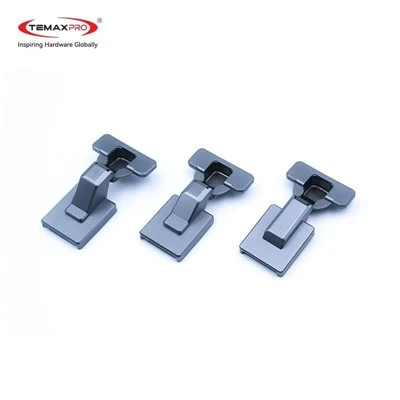
If you’ve tried all the DIY fixes and your drawers are still misbehaving, or you just want to upgrade to something that actually works (no more random open drawers), feel free to reach out to us to talk through your needs. We can help you figure out the right solution for your cabinet style and drawer size, no confusing jargon or hard sells.
Pocket Door References
- Consumer Reports, "How to Maintain Soft-Close Drawers and Cabinets," 2023.
- American Wood Council, "Wood Warp and Humidity: Effects on Cabinetry," 2022.
- International Association of Certified Home Inspectors, "Common Hinge Issues in Residential Cabinets," 2021.
- Soft Close Hardware Manufacturers Association, "Hydraulic Cylinder Lifespan for Soft Close Systems," 2022.
Shanghai Temax Hardware Co., Ltd.
As one of the most professional soft close hinge manufacturers and suppliers in China, we’re featured by quality products and good service. Please rest assured to buy bulk customized soft close hinge at competitive price from our factory. Welcome to contact us for quotation.
Address: Room 411, Building A, No.508 Chundong Rd.,Shanghai,China
E-mail: info2@cabinetaccessory.com
WebSite: https://www.shtemax.com/
