Hey there! I’m a supplier of plate heat exchangers, and today I want to chat with you about whether plate heat exchangers can be used in solar energy systems. Let’s dive right in. Plate Heat Exchangers
Why Solar Energy Systems are a Big Deal
First off, solar energy is booming. It’s clean, renewable, and becoming more and more cost – effective. As people are getting more environmentally conscious and the cost of traditional energy sources keeps going up, solar energy is a no – brainer for both residential and commercial use. Solar panels can convert sunlight into electricity through photovoltaic cells or heat water via solar thermal collectors. But to make the most of that solar energy, we need something to transfer and manage the heat effectively, and that’s where plate heat exchangers come in.
How Plate Heat Exchangers Work
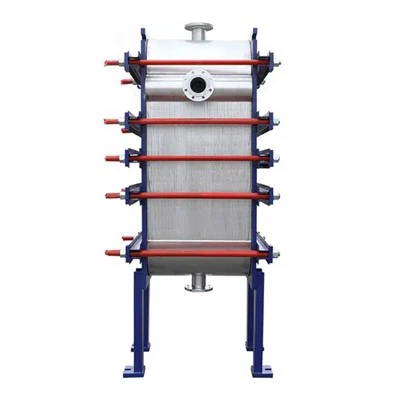
Before we talk about their use in solar energy systems, let me quickly explain what plate heat exchangers are. Plate heat exchangers consist of a series of thin, corrugated plates that are stacked together. These plates create channels through which two different fluids can flow. One fluid flows through one set of channels, and the other fluid flows through the adjacent channels. The heat gets transferred from the hot fluid to the cold fluid through the plates, all thanks to conduction.
The corrugated design of the plates does a couple of things. It increases the surface area between the two fluids, which means more efficient heat transfer. It also creates turbulence in the fluid flow, which further enhances the heat – exchange process. And because the plates are thin, the heat can transfer quickly, making plate heat exchangers super efficient.
Using Plate Heat Exchangers in Solar Thermal Systems
Okay, so let’s talk about solar thermal systems. In these systems, solar collectors absorb the sun’s energy and use it to heat a fluid, usually water or a water – glycol mixture. This hot fluid then needs to transfer its heat to another medium, like the water in a domestic hot – water tank or the water in a space – heating system.
Plate heat exchangers are perfect for this job. They can quickly and efficiently transfer the heat from the fluid in the solar collectors to the water in the storage tank or the heating system. Because they’re so efficient, they can transfer a large amount of heat in a relatively small space. That’s great news for solar energy systems, especially if you’re dealing with limited installation space.
Let’s say you have a small – scale residential solar thermal system. The plate heat exchanger can sit between the solar collectors and the hot – water tank. The heated fluid from the collectors enters the heat exchanger, and the cold water from the tank enters the other side. The heat from the collector fluid is transferred to the tank water, and soon you’ve got hot water ready to use in your home.
Advantages of Using Plate Heat Exchangers in Solar Energy Systems
There are several reasons why plate heat exchangers are a great fit for solar energy systems.
Efficiency
As I mentioned earlier, the design of plate heat exchangers makes them incredibly efficient at transferring heat. In solar energy systems, this means that you can get more energy out of the sunlight that your solar collectors absorb. Every bit of heat counts, and an efficient heat exchanger ensures that you’re not wasting any of that precious solar energy.
Compact Size
Space is often a constraint when it comes to installing solar energy systems, especially in urban areas or on smaller rooftops. Plate heat exchangers are compact, so they don’t take up a lot of room. You can easily fit them into your solar energy setup without having to make major modifications to your existing space.
Cost – Effectiveness
Plate heat exchangers are generally more cost – effective compared to other types of heat exchangers. They have a lower initial cost, and because they’re so efficient, you can save on energy costs in the long run. This makes them an attractive option for both residential and commercial solar energy projects.
Easy Maintenance
Keeping your solar energy system up and running is important. Plate heat exchangers are relatively easy to maintain. You can easily disassemble them for cleaning and inspection, which helps prevent any build – up of debris or scale that could reduce their efficiency.
Potential Challenges and Solutions
Of course, it’s not all sunshine and rainbows. There are a few potential challenges when using plate heat exchangers in solar energy systems.
Freezing
In colder climates, the fluid in the solar collectors can freeze, which can damage the heat exchanger. To prevent this, you can use a water – glycol mixture in the collector circuit. This mixture has a lower freezing point than pure water, so it’s less likely to freeze. You can also install a freeze – protection system that circulates the fluid when the temperature drops below a certain level.
Corrosion
The fluids used in solar energy systems can be corrosive, especially if they contain chemicals or if they’re exposed to air. To combat corrosion, you can choose plate heat exchangers made from corrosion – resistant materials, like stainless steel or titanium. These materials can withstand the harsh conditions in solar energy systems and last for a long time.
Real – World Applications
Plate heat exchangers are already being used in many solar energy systems around the world. In residential buildings, they’re commonly used to heat domestic hot water. In commercial buildings, they can be part of larger solar thermal systems that provide space heating and cooling.
For example, in a hotel, a solar thermal system with a plate heat exchanger can heat the water for the guests’ showers and also contribute to the building’s heating system. This not only reduces the hotel’s energy costs but also its carbon footprint.
Are Plate Heat Exchangers the Future of Solar Energy Systems?
I think so. The combination of efficiency, compact size, cost – effectiveness, and easy maintenance makes plate heat exchangers a great choice for solar energy systems. As the demand for solar energy continues to grow, I believe we’ll see more and more plate heat exchangers being used in these systems.

If you’re involved in a solar energy project, whether it’s a small residential setup or a large commercial system, plate heat exchangers could be the solution you’re looking for. They can help you make the most of your solar energy and improve the overall performance of your system.
Let’s Chat
PHE Plates & Gaskets If you’re interested in using plate heat exchangers in your solar energy system, I’d love to talk to you. I can provide you with more information about our products, help you choose the right heat exchanger for your specific needs, and answer any questions you might have. Whether you’re just starting to plan your solar energy project or you’re looking to upgrade an existing system, I’m here to assist you.
References
- Incropera, F. P., DeWitt, D. P., Bergman, T. L., & Lavine, A. S. (2007). Fundamentals of Heat and Mass Transfer. John Wiley & Sons.
- Duffie, J. A., & Beckman, W. A. (2013). Solar Engineering of Thermal Processes. John Wiley & Sons.
Aflex Heat Exchanger Co., Ltd.
We’re well-known as one of the leading plate heat exchangers manufacturers and suppliers in China. Welcome to buy bulk advanced plate heat exchangers made in China here from our factory. If you have any enquiry about cooperation, please feel free to email us.
Address: No. 933, Yonghe Road, Nantong, Jiangsu, China
E-mail: sales@aflexphe.com
WebSite: https://www.aflexphe.com/
