Hey there! I’m a supplier of heat pump compressor parts. Over the years, I’ve seen a lot of folks scratching their heads about how to measure the efficiency of these parts. It’s not as complicated as it might seem at first glance, but there are definitely some key things you gotta know. So, let’s dive right in! Heat Pump Compressor Parts
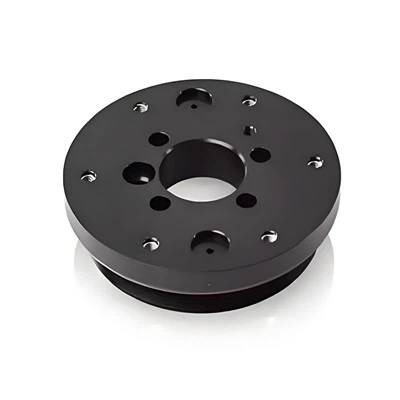
Understanding the Basics of Heat Pump Compressor Parts
Before we start talking about measuring efficiency, it’s important to have a good grasp of what heat pump compressor parts actually do. A heat pump compressor is like the heart of a heat pump system. It’s responsible for compressing the refrigerant, which is crucial for the heat transfer process. The main parts of a compressor include the motor, the compression chamber, and the valves.
The motor provides the power to drive the compression process. It needs to be efficient in converting electrical energy into mechanical energy. If the motor is inefficient, it’ll consume more electricity and generate more heat, which is not good for the overall performance of the compressor.
The compression chamber is where the magic happens. It’s where the refrigerant gets compressed, increasing its pressure and temperature. The design and construction of the compression chamber can have a big impact on the efficiency of the compression process.
The valves control the flow of the refrigerant in and out of the compression chamber. They need to open and close at the right time to ensure smooth operation and efficient compression.
Measuring the Efficiency of the Motor
One of the first things you can do to measure the efficiency of a heat pump compressor part is to look at the motor. There are a few different ways to do this.
First off, you can measure the power input and output of the motor. The power input is the amount of electrical energy that the motor consumes, and the power output is the amount of mechanical energy that it produces. You can use a power meter to measure the electrical power input, and then calculate the mechanical power output based on the motor’s speed and torque.
The efficiency of the motor is then calculated by dividing the power output by the power input and multiplying by 100 to get a percentage. For example, if a motor has a power input of 1000 watts and a power output of 800 watts, its efficiency is 80% (800/1000 x 100).
Another way to measure the efficiency of the motor is to look at its operating temperature. A motor that runs too hot is likely to be inefficient. You can use an infrared thermometer to measure the temperature of the motor while it’s running. If the temperature is significantly higher than the manufacturer’s recommended operating temperature, it could be a sign of inefficiency.
Assessing the Compression Chamber
The compression chamber is another critical part of the heat pump compressor. To measure its efficiency, you need to look at the compression ratio and the volumetric efficiency.
The compression ratio is the ratio of the absolute discharge pressure to the absolute suction pressure of the refrigerant. A higher compression ratio generally means more efficient compression, but it also requires more power from the motor. You can use a pressure gauge to measure the suction and discharge pressures of the refrigerant and then calculate the compression ratio.
The volumetric efficiency is a measure of how well the compression chamber can draw in and compress the refrigerant. It’s calculated by dividing the actual volume of refrigerant compressed by the theoretical volume that the compression chamber can hold. A higher volumetric efficiency means that the compression chamber is working more efficiently. You can measure the actual volume of refrigerant compressed by using a flow meter, and then calculate the theoretical volume based on the dimensions of the compression chamber.
Evaluating the Valves
The valves in a heat pump compressor play a crucial role in ensuring efficient operation. To measure their efficiency, you need to look at their opening and closing times and their leakage rates.
The opening and closing times of the valves need to be precise. If the valves open or close too early or too late, it can disrupt the compression process and reduce the efficiency of the compressor. You can use a valve timing tool to measure the opening and closing times of the valves.
The leakage rate of the valves is also important. Leakage can cause a loss of refrigerant and reduce the efficiency of the compressor. You can use a leak detector to check for any refrigerant leaks around the valves.
Other Factors to Consider
In addition to the motor, compression chamber, and valves, there are a few other factors that can affect the efficiency of heat pump compressor parts.
One of these factors is the lubrication. Proper lubrication is essential for reducing friction and wear in the compressor. If the lubrication is inadequate, it can increase the power consumption of the motor and reduce the efficiency of the compressor. You can check the lubrication level and quality regularly to ensure that it’s up to par.
Another factor is the refrigerant. The type and quality of the refrigerant can have a big impact on the efficiency of the heat pump compressor. You need to make sure that you’re using the right refrigerant for your compressor and that it’s in good condition.
Why Measuring Efficiency Matters
Measuring the efficiency of heat pump compressor parts is important for a few reasons. First of all, it can help you identify any problems or inefficiencies in the compressor. By measuring the efficiency of the different parts, you can pinpoint where the issues are and take steps to fix them.
Secondly, it can help you save energy and money. An efficient compressor will consume less electricity and require less maintenance, which can result in significant cost savings over time.
Finally, it can help you improve the performance of your heat pump system. A more efficient compressor will be able to transfer heat more effectively, which means that your heat pump will be able to heat or cool your space more efficiently.
Conclusion

So, there you have it! Measuring the efficiency of heat pump compressor parts is not as difficult as it might seem. By understanding the basics of the different parts, using the right tools, and considering the other factors that can affect efficiency, you can get a good idea of how well your compressor is performing.
Artificial Heart Parts If you’re in the market for high-quality heat pump compressor parts, I’d love to have a chat with you. Whether you’re looking to replace a worn-out part or upgrade your system, I can help you find the right parts for your needs. Just reach out, and we can start discussing your options.
References
- ASHRAE Handbook – Refrigeration. American Society of Heating, Refrigerating and Air-Conditioning Engineers.
- Compressor Handbook. Manufacturer’s manuals and technical documents.
Jiangsu Zhengfang Dynamics Technology Co., Ltd.
As one of the most professional heat pump compressor parts manufacturers and suppliers in China, we’re featured by quality products and good price. Please rest assured to buy customized heat pump compressor parts made in China here from our factory. Contact us for pricelist.
Address: Building 3, No. 69 Feitian Avenue, Jiangning District, Nanjing City, Jiangsu Province
E-mail: hanks.liu@zfdynamics.com
WebSite: https://www.zhengfangdongli.com/
