Hey everyone, let’s cut to the chase—last week alone, I got three separate DMs from different folks asking: “Are there actually lightweight cotton blankets that don’t feel like they’re made of cardboard or a thick beach towel for the pool?” As someone who’s been in the cotton blanket game for over 10 years, I see this question ALL the time. People think cotton has to be heavy, scratchy, or only good for wrapping up when the temperature drops below 50°F—but that’s such an outdated myth, and honestly, it’s what led me to focus the last 5 years specifically on lightweight cotton blankets. Today I’m breaking down why lightweight cotton exists, how it works, and why it’s totally different from those cheap, thin blankets you grab at the gas station. Cotton Blanket
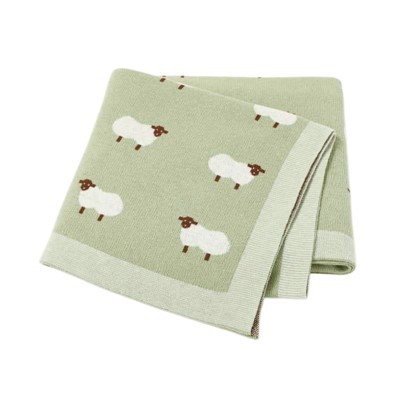
First off, let’s get one thing straight: “lightweight” doesn’t equal “low quality” or “see-through garbage.” I see so many brands slapping that label on blankets that are basically one layer of flimsy weave—you can hold them up to a window and see right through, and they get scratchy after one wash. No thank you. Good lightweight cotton is built for breathability, softness, and just enough warmth without feeling like you’re tucked into a weighted duvet on a hot summer night. It’s the sweet spot between a t-shirt (which is cotton, obviously) and a thick winter blanket—perfect for anyone who hates feeling overheated when they sleep, or wants something to toss on the couch for movie nights that doesn’t take up half the closet.
So how do we make a cotton blanket lightweight without ruining it? It’s all about the weave and the fiber type, not some fancy synthetic garbage. Let’s talk fibers first. Most heavy cotton blankets use bulkier, shorter staple cotton fibers—those are the short little strands that get spun into yarn. Short staple cotton’s great for durability, but it makes the yarn thicker, which means the blanket ends up heavier. For lightweight cotton, we use LONG staple cotton. I’m talking fibers that are 1.5 to 2 inches long—way longer than regular cotton. When you spin long staple cotton, the yarn is much finer, smoother, and doesn’t pill as much, too. I use 100% Egyptian long staple cotton for most of my lightweight line, and let me tell you—those fibers have this natural softness that feels like a worn-in hoodie, not a stiff blanket straight out of the package. The only other material I mix in is a tiny bit (like 5% max) of organic bamboo viscose for extra breathability—still lightweight, still all-natural, no weird stuff.
Then there’s the weave, which is the biggest secret to getting that light, cozy feel. If you’ve ever looked at a cotton blanket, you know there are a few common weaves: flannel, twill, and the old standby, plain weave. Plain weave is the tight, grid-like stuff you see on bed sheets, but if you make that too thin, it’s see-through. Flannel is brushed, which makes it soft, but sometimes adds a little bulk if it’s not done right. For my lightweight blankets, I use a open-mesh basketweave. Wait, open mesh sounds like it would be flimsy, right? Nope—because it’s still made with that strong long staple cotton, the open gaps let air flow through, but the weave is tight enough that it doesn’t tear or feel like a net. It’s why these blankets feel cool on your skin in the summer, but still trap just enough air to keep you warm when the AC’s cranked at night. I tested this last month: my AC is set to 68°F, and I threw my lightweight cotton blanket over my legs. By 2 a.m., I wasn’t sweating through the sheets like I do with my old wool blanket, and I wasn’t shivering either. Win-win.
Now, let’s address the big questions people actually have when they’re looking for a lightweight cotton blanket. First: are they actually warm enough? I get this all the time. Let’s be real—if you’re in a climate that drops to 30°F in winter, a lightweight cotton blanket probably won’t be your only layer. But for 90% of the year, depending on where you live? It’s perfect. I live in Ohio, where summers hit 90°F and winters dip to 20°F. My lightweight cotton blanket is my go-to for May, June, September, October, and all of November and March when I’m not running the heat full blast. It’s also great for throw blankets—toss it on the couch, and when you get up to grab a soda, you don’t have to haul a 10-pound blanket with you. Last year, a customer from Texas left a review saying she uses hers year-round—summer with just a sheet, winter on top of her comforter for when she gets chilly at night. That’s the kind of versatility I love.
Second question: do they hold up after washing? This is make or break. I’ve been burned too many times buying a cheap lightweight blanket, washing it once, and it comes out smaller, pilled, or stretched all weird. My blankets get washed every two weeks, and I’ve been using mine for 3 years now—no pilling, no shrinking more than an inch (I even pre-wash all my blankets before shipping, so you won’t have to deal with that), and it still feels as soft as the day I got it. Why? Because of that long staple cotton and the tight basketweave. I always tell customers to wash them in cold water, no bleach, and tumble dry on low—high heat can weaken the fibers, but low heat keeps them fluffy. If you line dry them, even better—sunlight bleaches them naturally and keeps the fabric bright.
Third: are they soft, or do they feel scratchy? Early on in my business, I made the mistake of testing a lightweight weave that felt like burlap against skin. I quickly scrapped that. The key here is pre-washing and brushing the fabric after it’s woven. All my lightweight blankets go through a softening process where we wash them multiple times before they’re even cut into the size you order. That breaks in the fabric right away, so when you get it, it’s ready to use—no “wash it three times before it’s soft” nonsense. I’ve had customers with super sensitive skin tell me these are the only blankets they can use without getting red marks on their arms. That’s a big deal to me—cotton should be gentle, not harsh.
Now, let’s talk about who lightweight cotton blankets are for, because that’s another thing that’s not talked about enough. If you’re a hot sleeper, this is basically your new best friend. I used to sleep with two comforters as a teen, and I’d wake up in a puddle of sweat. When I switched to a lightweight cotton blanket, it changed everything. No more night sweats, no more kicking the covers off every hour. If you travel a lot—lightweight cotton blankets are super easy to pack, way smaller than a heavy wool or fleece blanket. I bring mine on road trips, and even on flights when the AC is freezing. If you have small living space? These fold up way smaller than standard blankets, so you can store them in a drawer or a closet bin without taking over half your closet. And if you love layers? Lightweight cotton is perfect for that—toss it over a duvet in winter, or use it as a standalone blanket when it’s warm.
Wait, but let’s be real—there are some downsides, right? No product is perfect. Lightweight cotton blankets aren’t for everyone. If you like the heavy, snuggly feeling of a thick blanket that feels like a hug, this might not be it. If you live in a place that’s consistently below 40°F in winter, you’ll want a heavier blanket or to layer it with something else. Also, because they’re lightweight, they might not have that “weighted” feel that some people love—if you crave that pressure on your body, this probably isn’t for you. But for 8 out of 10 people, it’s exactly what they want.
As someone who’s been in this a while, I’ve seen so many brands jump on the lightweight cotton trend and cut corners to make a quick buck. They use short staple cotton, cheap weaves, and then sell them for triple what they’re worth. That’s why I’m always honest with people: if a lightweight cotton blanket is $10 on Amazon, it’s not going to be good. It’ll pill, shrink, and feel cheap. My blankets are priced fair because I use high-quality fibers and make them right, not because I’m marking them up.
I also get asked about sustainability, which is huge for a lot of customers now. All my cotton is organic, right? No pesticides, no harsh chemicals, which means it’s better for your skin and better for the environment. The fabrics are biodegradable, so when you’re done with them (which will be years from now, trust me), you don’t have to worry about them sitting in a landfill forever. That’s a big reason I stuck with cotton—synthetic blankets are bad for the planet, and even regular cotton blankets use way more water than they need to. Organic long staple cotton is way more efficient.
Now, if you’re a retail buyer, or someone who wants to stock lightweight cotton blankets for your shop, this is where I can help. I work with small boutiques, home goods stores, and even large retailers that want high-quality cotton blankets without the mass-produced junk. I’ve been doing this for 10 years, so I know how to make a lightweight cotton blanket that sells—soft, durable, versatile, and priced to move. I can get custom sizes, colors, and even print on them if you want.
If you’re someone who’s been searching for a lightweight cotton blanket that actually lives up to the hype—no see-through junk, no scratchy fibers, no shrinking after one wash—let’s talk. I can send samples, give you bulk pricing, or answer any other questions you have about how these are made. Whether you’re a retailer looking to add a new line to your inventory, or someone who wants to buy in bulk for a wedding, event, or just to stock up, hit me up. I’m all about building real relationships with my customers, not just making a sale.

At the end of the day, lightweight cotton blankets aren’t a myth—they’re real, they’re amazing, and they’re exactly what a lot of people have been looking for but couldn’t find until now. I spent years testing different weaves, different fibers, different softening processes to get it right, and I’m proud of what I’ve built. If you give one a try, I think you’ll be hooked too. Don’t waste another night sweating through a heavy blanket or shivering through a thin, scratchy one—lightweight cotton is the way to go.
Scarf References:
- The Nature Conservancy. (2022). Cotton’s Environmental Impact and Sustainable Alternatives.
- International Textile and Apparel Association. (2021). Performance Characteristics of Long-Staple Cotton Fibers for Home Textiles.
- Sleep Foundation. (2023). Best Blankets for Hot Sleepers.
- Textile Institute. (2020. Weave Structure and Breathability of Home Blankets.
Hangzhou Lenge Homeware Co., Ltd.
With abundant experience, we are of the most professional cotton blanket enterprises in China. Please rest assured to buy bulk high quality cotton blanket in stock here from our factory. If you have any enquiry about customized service, please feel free to email us.
Address: G45, F1, NO.4 BUILDING, NO.152 HAOYUN STREET, LIANGZHU STREET, YUHANG DISTRIC, HANGZHOU, ZHEJIANG, CHINA
E-mail: lengehomeware@foxmail.com
WebSite: https://www.lengehomeware.com/
