Are non – magnetic drill rods recyclable? Non-Magnetic Drill Rods

As a supplier of non – magnetic drill rods, I’ve often been asked about the recyclability of these essential tools in the drilling industry. Non – magnetic drill rods are widely used in various drilling operations, especially in the oil and gas, mining, and geothermal sectors, where they play a crucial role in providing accurate directional drilling and measurement while minimizing magnetic interference.
Understanding Non – Magnetic Drill Rods
Non – magnetic drill rods are typically made from high – strength non – magnetic materials such as austenitic stainless steels, nickel – based alloys, or other specialized alloys. These materials are chosen for their excellent mechanical properties, including high tensile strength, fatigue resistance, and corrosion resistance, as well as their non – magnetic characteristics.
The manufacturing process of non – magnetic drill rods involves precise machining, heat treatment, and quality control to ensure that they meet the strict specifications required for drilling applications. Once they are put into use, they endure harsh conditions underground, including high pressures, corrosive environments, and mechanical wear.
The Case for Recycling Non – Magnetic Drill Rods
The first and most obvious reason for recycling non – magnetic drill rods is the conservation of resources. The materials used in these drill rods, especially the high – grade alloys, are finite and often require significant energy and resources to extract and process. By recycling, we can reduce the demand for virgin materials, which in turn helps to preserve the earth’s natural resources.
For example, nickel, which is a common component in many non – magnetic drill rod alloys, is a valuable and limited resource. Mining nickel often involves large – scale environmental disruption, including deforestation, water pollution, and greenhouse gas emissions. Recycling non – magnetic drill rods can help to offset some of these environmental impacts associated with nickel mining.
In addition to resource conservation, recycling non – magnetic drill rods is also an economic advantage. The cost of manufacturing new drill rods from virgin materials is relatively high due to the expensive raw materials and the complex production processes involved. Recycling can significantly reduce the cost of producing new drill rods by using recycled materials, which can then be passed on to consumers in the form of lower prices.
Recycling Processes for Non – Magnetic Drill Rods
The recycling process of non – magnetic drill rods usually starts with collection. Drill rods that have reached the end of their service life are gathered from drilling sites, oil fields, and mining operations. These used drill rods are then transported to recycling facilities.
At the recycling facility, the first step is inspection and sorting. The drill rods are examined to determine their material composition, condition, and any potential contaminants. This is important because different alloys have different recycling requirements. For example, austenitic stainless steel drill rods may be recycled differently from nickel – based alloy drill rods.
After sorting, the drill rods are processed to remove any coatings, dirt, or other impurities. This may involve cleaning, grinding, or chemical treatments. Once the drill rods are clean, they are melted down in a furnace at high temperatures. The molten metal is then refined to remove any remaining impurities and adjust the alloy composition to meet the specifications for new drill rod production.
Finally, the refined molten metal is cast into new shapes, such as billets or bars, which can be further processed into new non – magnetic drill rods through forging, machining, and other manufacturing processes.
Challenges in Recycling Non – Magnetic Drill Rods
Despite the many benefits of recycling non – magnetic drill rods, there are also several challenges that need to be addressed. One of the main challenges is the complexity of the alloy compositions. Non – magnetic drill rods are often made from advanced alloys with specific chemical compositions and microstructures designed to meet the demanding requirements of drilling applications. Recycling these alloys requires precise control over the melting, refining, and casting processes to ensure that the recycled materials have the same or similar properties as the original materials.
Another challenge is contamination. Drill rods used in the field may be contaminated with various substances, such as drilling muds, oils, and other chemicals. These contaminants need to be effectively removed during the recycling process, otherwise, they can affect the quality of the recycled materials and the performance of the new drill rods.
Transportation and logistics also pose a challenge. Non – magnetic drill rods are large and heavy, and transporting them from drilling sites to recycling facilities can be costly and energy – intensive. In addition, coordinating the collection and transportation of used drill rods from multiple locations can be logistically complex.
Environmental and Social Benefits of Recycling
On an environmental level, recycling non – magnetic drill rods reduces the carbon footprint associated with drill rod production. The energy required to melt and reprocess recycled materials is generally much less than that needed to extract, refine, and process virgin materials. This results in lower greenhouse gas emissions, which is essential in the context of global climate change.
From a social perspective, the recycling industry creates jobs in collection, transportation, recycling facilities, and related services. These jobs can contribute to local and regional economic development, especially in areas where the drilling industry is a significant part of the economy.
Our Commitment as a Supplier
As a supplier of non – magnetic drill rods, we are committed to promoting sustainable practices in the industry. We encourage our customers to consider the end – of – life options for their drill rods and support recycling initiatives. We work closely with recycling partners to ensure that used drill rods are properly collected, processed, and recycled to the highest standards.
We also provide information and guidance to our customers on the importance of recycling and the benefits it can bring to the environment and the economy. By raising awareness among our customers, we hope to contribute to a more sustainable future for the drilling industry.
Conclusion and Call to Action
In conclusion, non – magnetic drill rods are indeed recyclable, and recycling them offers significant environmental, economic, and social benefits. While there are challenges in the recycling process, with advancements in technology and increased awareness, we can overcome these obstacles and make the most of this valuable resource.
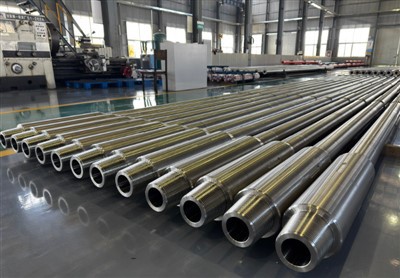
If you are in the market for non – magnetic drill rods or are interested in exploring recycling options for your used drill rods, I would encourage you to get in touch. We offer high – quality non – magnetic drill rods that are designed to meet the most demanding drilling applications. Our team of experts is ready to assist you with any questions you may have regarding product selection, technical specifications, or recycling. Let’s work together to build a more sustainable and efficient drilling industry.
Non-Magnetic Tools for Coal References
- "Metals Recycling Handbook" by various authors, a comprehensive guide on the recycling of different metals and alloys.
- Industry reports on the drilling and mining sectors, which contain data on the use and management of non – magnetic drill rods.
- Academic research papers on the properties and recycling processes of austenitic stainless steels and nickel – based alloys.
Shanxi Zhonghe Non-Magnetic Drill Tool Co., Ltd.
Address: No.168 Fenglei Street, Houma City, Linfen City, Shanxi Province, China.
E-mail: lucy@nmdrillcollar.com
WebSite: https://www.zhnmdc.com/
